Patient Bed Manual
$64.25
$115.01
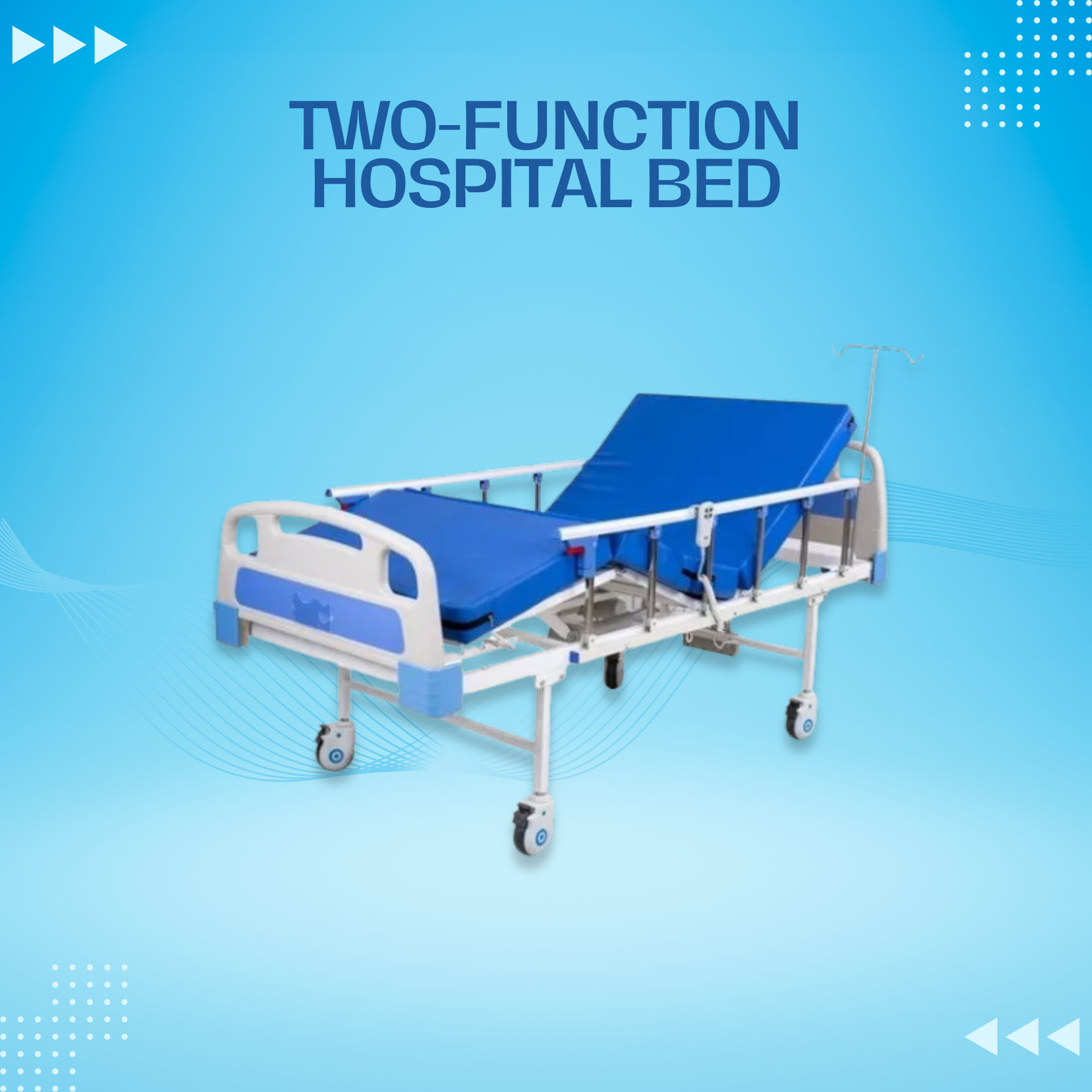
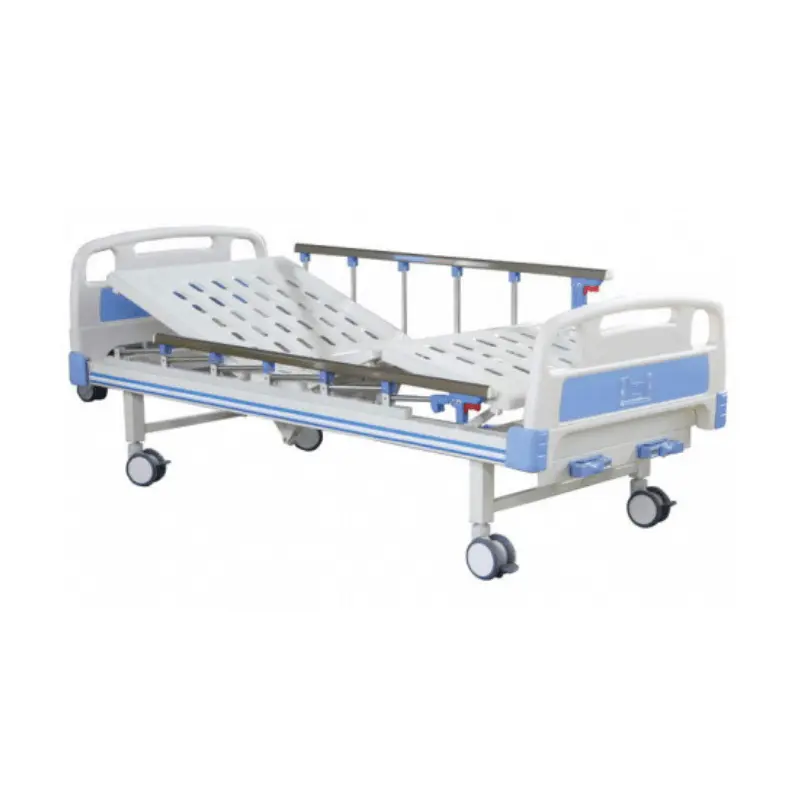
Description Patient Bed Manual Best Price in 2025 Introduction A patient bed is an important piece of medical equipment that provides comfort, safety, and support for people who need medical care. These beds are used in hospitals, nursing homes, and at home. They help patients with positioning, moving, and healing. This manual explains the main features, how to use the beds, how to maintain them, and safety tips. What is a Patient Bed? Patient beds come in different types and are designed to support people who need medical attention. They help patients move more easily, recover faster, and get better treatment. You will find them in hospitals, nursing homes, and home care settings. There are manual, semi-electric, and fully electric beds, each meeting different needs. Important features include adjustable height, head and foot lifts, side rails to keep patients safe, and compatibility with special mattresses. Additionally, accessories like overbed tables, bedside commodes, and pressure-relief mattresses add comfort and support. Types of Patient Beds There are several types of patient beds to choose from, including: Manual Beds: Adjusted by turning hand cranks to change height or bed position. Semi-Electric Beds: Use electric motors to move the head and foot sections, while height changes are manual. Fully Electric Beds: Offer full electric control for height and position changes. Bariatric Beds: Made for heavier patients, with stronger frames and wider sizes. Low Beds: Positioned close to the floor to help prevent falls. Specialized Beds: Designed for critical care, children, or long-term immobile patients with features like air mattresses or advanced positioning. Key Features of Patient Beds Look for these common features: Adjustable Height: Makes it easier for caregivers to work. Head and Foot Lifts: Increase patient comfort and help with breathing or circulation problems. Side Rails: Help prevent patients from falling. Wheels with Locks: Allow easy moving and secure placement. Mattress Compatibility: Ensures proper support. Remote or Manual Controls: Make adjustments easier. Overbed Tables: Provide space for meals, reading, or medical tools. Operating Instructions Adjusting the Bed Position For manual beds, find the hand crank and turn it clockwise or counterclockwise to adjust the height or bed sections. After adjusting, make sure the crank is safely stored. For electric beds, use the remote control or built-in buttons to move the bed smoothly. Always check the position for patient comfort and safety. Locking and Unlocking Wheels Lock the wheels when the bed stays in one place. Unlock them before moving the bed. Make sure wheels are locked whenever a patient gets in or out. Using Side Rails Lift the rails up until they click in place to raise them. Press the release button and lower the rails carefully. Always double-check that rails are locked to prevent accidents. Maintenance and Care To keep the bed working well and safe: Cleaning: Regularly wipe the frame, rails, and mattress with disinfectant. Clean spills right away to stop stains and germs. Mechanical Checks: Check hand cranks for smooth movement and add lubricant if needed. Test electric controls and cords often, replacing any damaged parts. Tighten screws to keep the bed steady. Mattress Care: Rotate mattresses regularly to avoid uneven wear. Use waterproof covers to protect against moisture. Replace mattresses when worn out or sagging. Safety Guidelines Always lock wheels when the bed is not moving. Adjust the bed height before moving patients. Use side rails correctly to prevent falls but do not use them to restrict movement. Keep cords away from moving parts to avoid damage. Do not put more weight on the bed than it can hold. Leave enough space around the bed to avoid obstacles. Check electric beds often for any problems and report issues quickly. Patient Bed Accessories These accessories help improve patient care: Overbed Tables: For meals, reading, or holding medical devices. Bedside Commodes: Help patients who cannot move easily. Trapeze Bars: Help patients move themselves in bed. Bed Alarms: Alert caregivers if a patient leaves the bed. Pressure-Relief Mattresses: Reduce the risk of bedsores. Emergency Procedures Power Failure (Electric Beds) If the power goes out, use the manual override if your bed has one. Lower the bed to a safe position before the battery runs out. Always keep a backup battery or spare bed ready for emergencies. Bed Malfunction Stop using the bed if it doesn’t work right. Check for loose wires or blown fuses. Contact technical support or the manufacturer for help. Patient Falls Call for medical help if needed. Check the patient for injuries before moving them. Lower the bed next time to reduce fall risk. Conclusion Patient beds are vital for comfort, safety, and care. By using them properly, maintaining them, and following safety tips, caregivers can improve patient health and comfort. Regular cleaning and checks, along with using the right accessories, ensure the best care for patients.
Hospital Bed